
According to the latest analysis from Rystad Energy, proven and recoverable oil resources increased by 5 billion barrels over the past year, largely due to growing resource estimates in Argentina’s Vaca Muerta formation and the Permian Delaware Basin, which spans parts of Texas and New Mexico. As a result, global recoverable oil resources—including estimates for undiscovered fields—now stand at approximately 1.5 trillion barrels.
However, Rystad Energy has revised its outlook for undiscovered resources downward. This adjustment reflects a sharp decline in frontier exploration activities, limited success in shale development outside the Americas, and a doubling of offshore production costs over the last five years. The firm projects that new conventional oil projects will replace less than 30% of global production over the next five years, while exploration activities will account for only about 10% of the replacement rate.
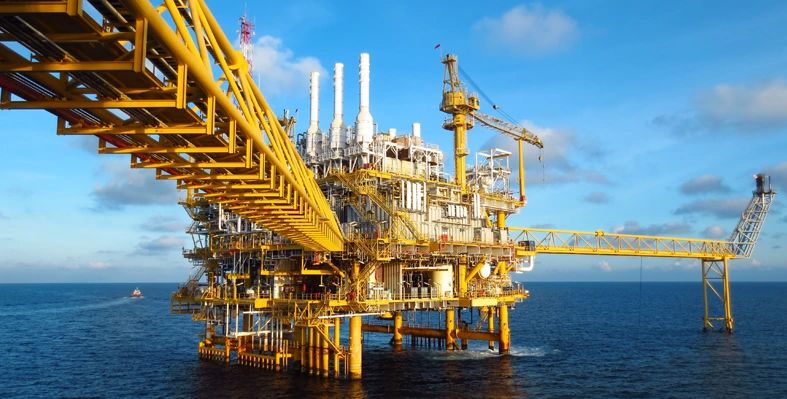
At current production levels, the world’s proven oil reserves can meet demand for only 14 more years. If global oil demand continues to rise in line with OPEC projections, supply may struggle to keep pace, even if prices remain attractive to producers. On the other hand, if the energy transition accelerates—particularly through the electrification of transport, as seen in China—future oil demand could decline significantly.
Per Magnus Nysveen, Chief Analyst at Rystad Energy, commented: “Unlocking the full potential of existing oil resources will require sustained higher oil prices, while improving resource estimates will depend on new technologies that lower production costs. In the coming decades, securing adequate investment to meet growing demand may become increasingly difficult. Service prices could surge, and there may be limited appetite for innovation aimed at sustaining high emissions from oil use.” If demand continues to rise, global recoverable resources may fall short of what is needed, making oil less competitive compared to less capital-intensive energy sources. For this reason, Rystad Energy does not expect significant oil demand growth by 2050.
Artem Abramov, Head of Shale Research at Rystad Energy, added: “For oil demand to stabilize or grow after 2030, a new oil supercycle would be required. This would depend on a substantial increase in frontier exploration and drilling success rates, accelerated adoption of enhanced oil recovery technologies, and full-scale development of non-core shale areas in North America and beyond.”