From our factory to your rig – a seamless logistics process for API 7K rotary hoses.
Shipping high‑pressure rotary hoses to drilling locations around the globe requires more than just putting a hose in a container. It demands careful planning, robust packaging, full documentation, and strict quality control. In this article, we walk you through our complete rotary hose shipment process – so you know exactly what to expect when you order from us.
Why Rotary Hose Shipment Requires Special Care
Rotary hoses are heavy, long, and flexible. They are also critical safety components. A damaged hose can fail under pressure, causing injuries and costly downtime. Therefore, every shipment must protect the hose from:
- Crushing or kinking during transport
- Abrasion from metal edges inside containers
- Moisture and corrosion during long sea voyages
- UV degradation if stored improperly at interim ports
We have developed a proven shipping protocol that meets or exceeds international standards for oilfield equipment logistics.
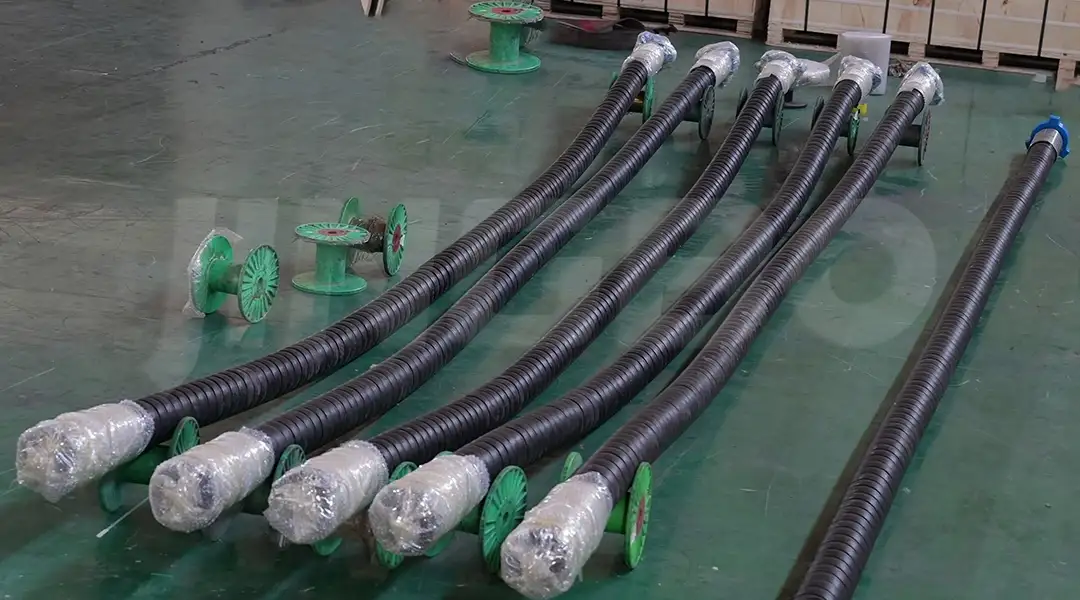
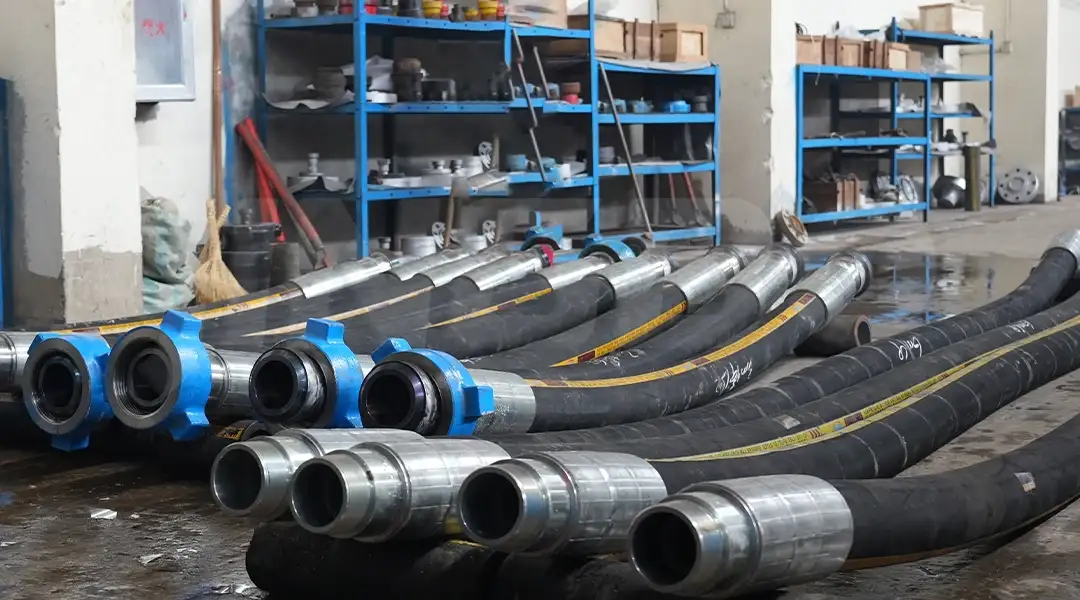
Step 1: Final Quality Control Before Packing
No hose leaves our factory without passing a final inspection. For every rotary hose order, we:
- Perform a final hydrostatic pressure test at 2× working pressure (documented with a test graph and certificate)
- Measure and record the exact finished length after pressure testing
- Inspect all couplings (hammer unions, flanges, or threads) for damage and proper swaging
- Verify permanent markings (API 7K, size, WP, serial number) are legible
- Clean the hose bore and exterior to remove any residue
Only after these checks do we move to packaging.
Step 2: Export Packaging – Built for Long‑Distance Transit
Our packaging is designed to withstand the rigors of sea freight, road transport, and repeated handling at ports.
Standard Packaging for Rotary Hoses
- Coiling: Coiled on heavy‑duty wooden pallets or steel reels (depending on hose ID and length)
- Bend protection: Minimum bend radius enforced – no tight coiling that could damage reinforcement
- End protection: Threaded couplings capped with plastic or steel protectors; flanges covered with bolted plywood guards
- Wrapping: Stretch film + VCI (vapor corrosion inhibitor) paper to prevent rust during humid sea voyages
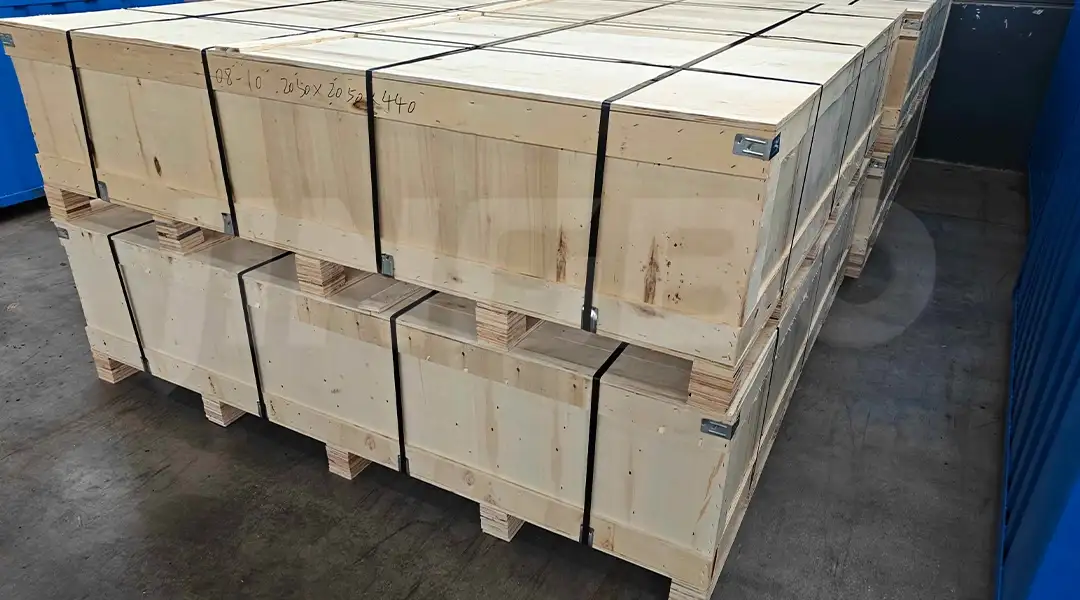
- Outer crating: Optional wooden export crates for fragile or high‑value assemblies
- Labeling: Clear markings: “DO NOT ROLL”, “HANDLE WITH CARE”, “CENTER OF GRAVITY”, and destination details
For extra‑long rotary hoses (e.g., 80+ feet), we use steel reels that allow the hose to be spooled without bending beyond its minimum radius. Each reel is braced inside the container to prevent shifting.
Optional Custom Packaging
- Individual plywood cases for each hose assembly (recommended for break‑bulk or LCL shipments)
- Anti‑static wrapping for sensitive environments
- Custom pallet designs to fit specific container dimensions
Step 3: Documentation – Your Key to Smooth Customs Clearance
Delays at customs are often caused by missing or incorrect paperwork. We provide a complete documentation package with every rotary hose shipment.
Shipping Documents Included
- Commercial Invoice: Value, product description, HS code (4009.12 or 4009.22 – rubber hoses with fittings)
- Packing List: Number of pallets/reels, dimensions, gross/net weight
Bill of Lading (B/L): Ocean freight contract – clean, on‑board, negotiable - Certificate of Origin: For preferential tariff treatment (e.g., Form E for China‑ASEAN, or generic CO)
- Hydrostatic Test Certificate: Unique to each hose – shows test pressure, dwell time, and result
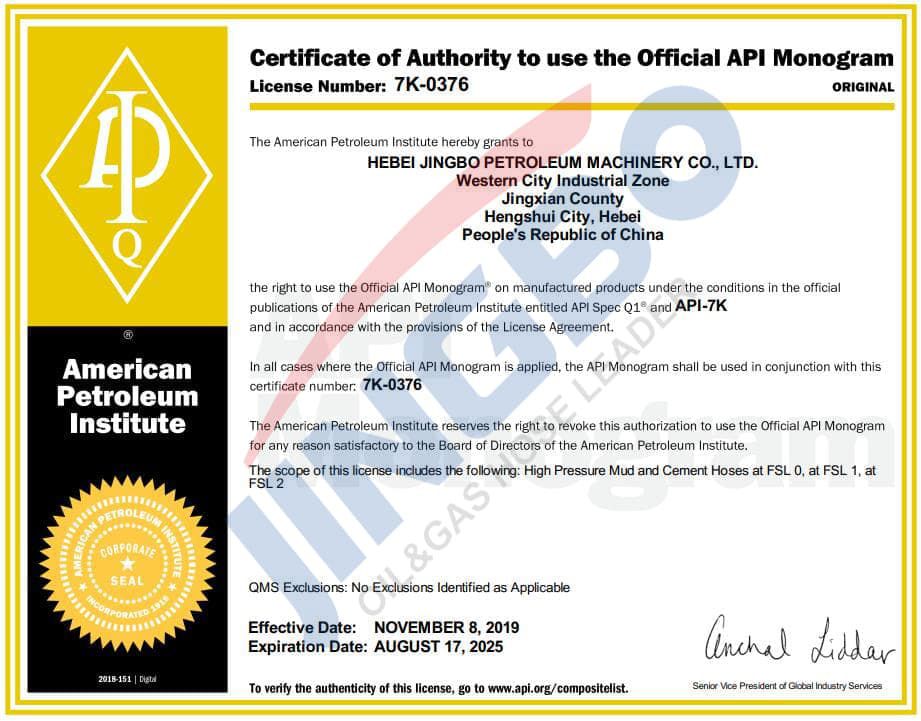
- Letter of Conformance: Confirms hose meets API Spec 7K and customer PO requirements
- Material Certificates (on request): Raw material traceability – rubber batch, steel wire mill certs
- Third‑Party Inspection Report (if specified): SGS, BV, or ABS witness report
We also include installation and maintenance instructions inside the package or sent digitally.
Step 4: Choosing the Right Shipping Mode
We work with experienced freight forwarders to select the optimal transport method based on destination, urgency, and cost.
Ocean Freight (FCL or LCL)
- FCL (Full Container Load) : Preferred for large orders (e.g., 20’ or 40’ containers). Your hoses are the only cargo – lower risk of damage.
- LCL (Less than Container Load) : Suitable for small orders. Your hoses share a container with other goods, so we add extra cushioning and crating.
Step 5: Tracking and Communication
Once your rotary hoses are on the way, we provide:
- Bill of Lading number and carrier name
- Container number (for FCL shipments) or Master Air Waybill (for air freight)
- Real‑time tracking link (where available)
- Weekly status updates until delivery
Our 24/7 customer service team is available to answer any questions about your shipment’s location or estimated arrival.
Case Example: Shipping Rotary Hoses to Brazil
A recent order for 20 pieces of 4″ Grade E rotary hoses (7,500 psi) to a drilling contractor in Macaé, Brazil:
- Packaging: Each hose coiled on a steel reel, then two reels per 40’ HC container. Wooden frames braced inside.
- Documentation: Commercial invoice with NCM code 4009.22, hydrostatic test certificates in Portuguese/English, and BV inspection report.
- Shipping route: Tianjin → Santos (33 days). Customs clearance at Santos took 2 days due to complete paperwork.
- Result: Hoses arrived in perfect condition, no demurrage, and the client placed a repeat order.
Common Questions About Rotary Hose Shipments
Q: Do you offer door‑to‑door delivery?
Yes, we can arrange DDP (Delivered Duty Paid) or DAP (Delivered at Place) to most oilfield hubs worldwide. You receive the hoses at your warehouse or rig site – we handle all freight, customs, and local delivery.
Q: How do you prevent hose damage inside a container?
We use edge protectors at every point where the hose touches metal, plus inflatable dunnage bags to prevent load shifting. For LCL shipments, we add a full plywood crate around each pallet.
Q: What is the minimum order quantity (MOQ) for sea freight?
No strict MOQ, but for cost efficiency, we recommend at least 10 standard hoses (or equivalent volume) to fill part of a 20’ container. Smaller orders can go by LCL or air.
Q: Can you ship to remote locations like offshore platforms?
Yes. We can consolidate with your preferred logistics provider for delivery to supply bases (e.g., Aberdeen, Houston, Perth) or directly to offshore platforms via crew boat or helicopter – as long as weight and dimensions are within carrier limits.
Why Choose Us for Your Rotary Hose Shipments?
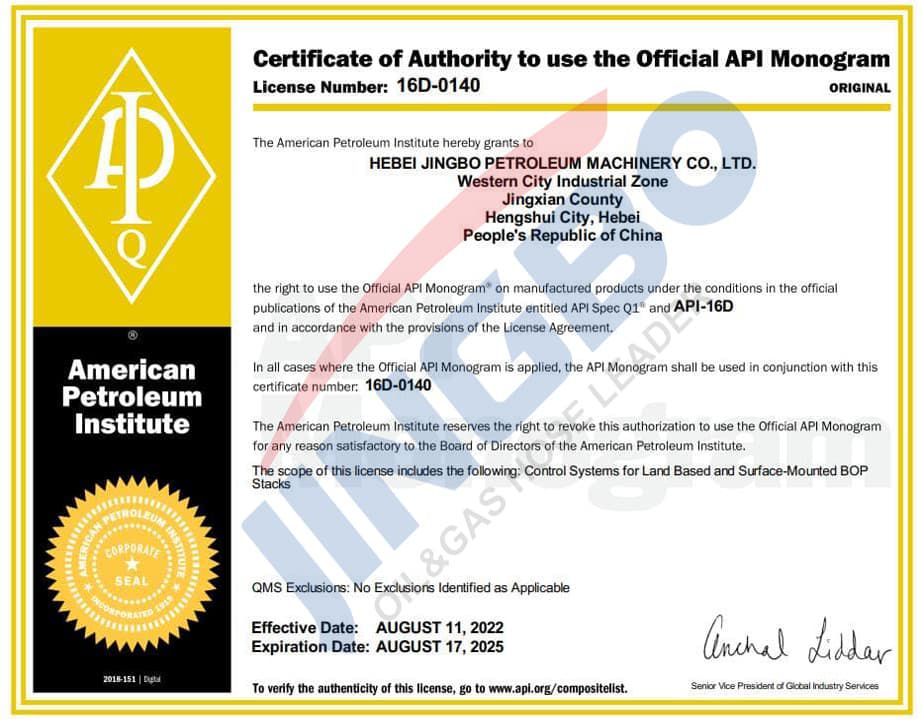
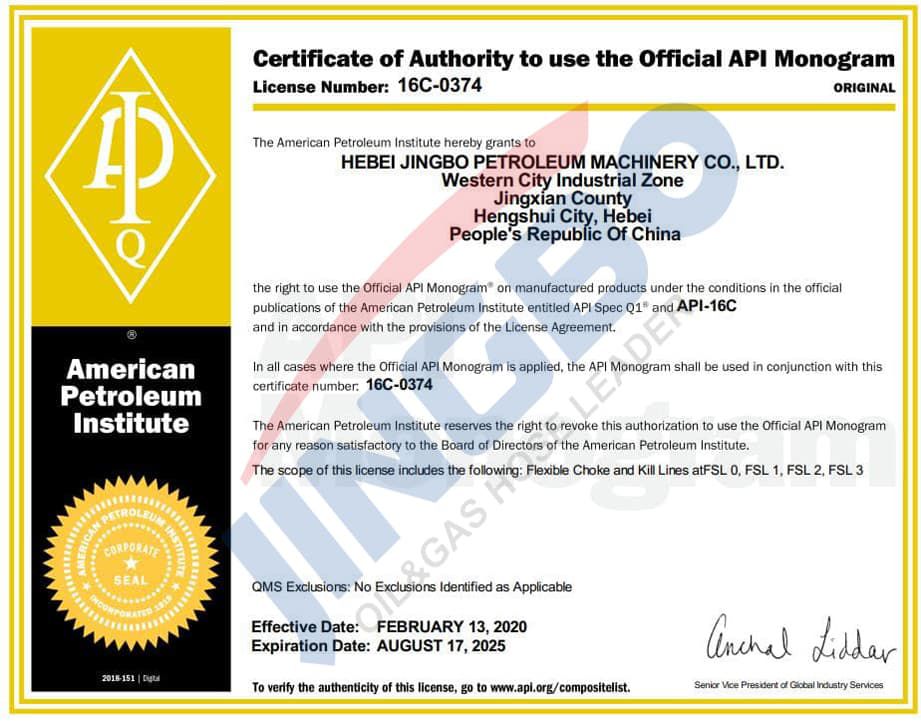
- API 7K certified manufacturer – full traceability and compliance
- Robust export packaging – tested for ocean and road transport
- Complete documentation – avoids customs delays
- Flexible shipping – FCL, LCL, air, door‑to‑door
- Global track record – successfully shipped to over 40 countries, including USA, Brazil, Russia, UAE, and Southeast Asia
Ready to Order or Request a Shipping Quote?
Contact us today with your rotary hose specifications (size, pressure grade, length, coupling type, quantity, and destination). We will provide a proforma invoice with shipping cost and estimated delivery time – usually within 24 hours.